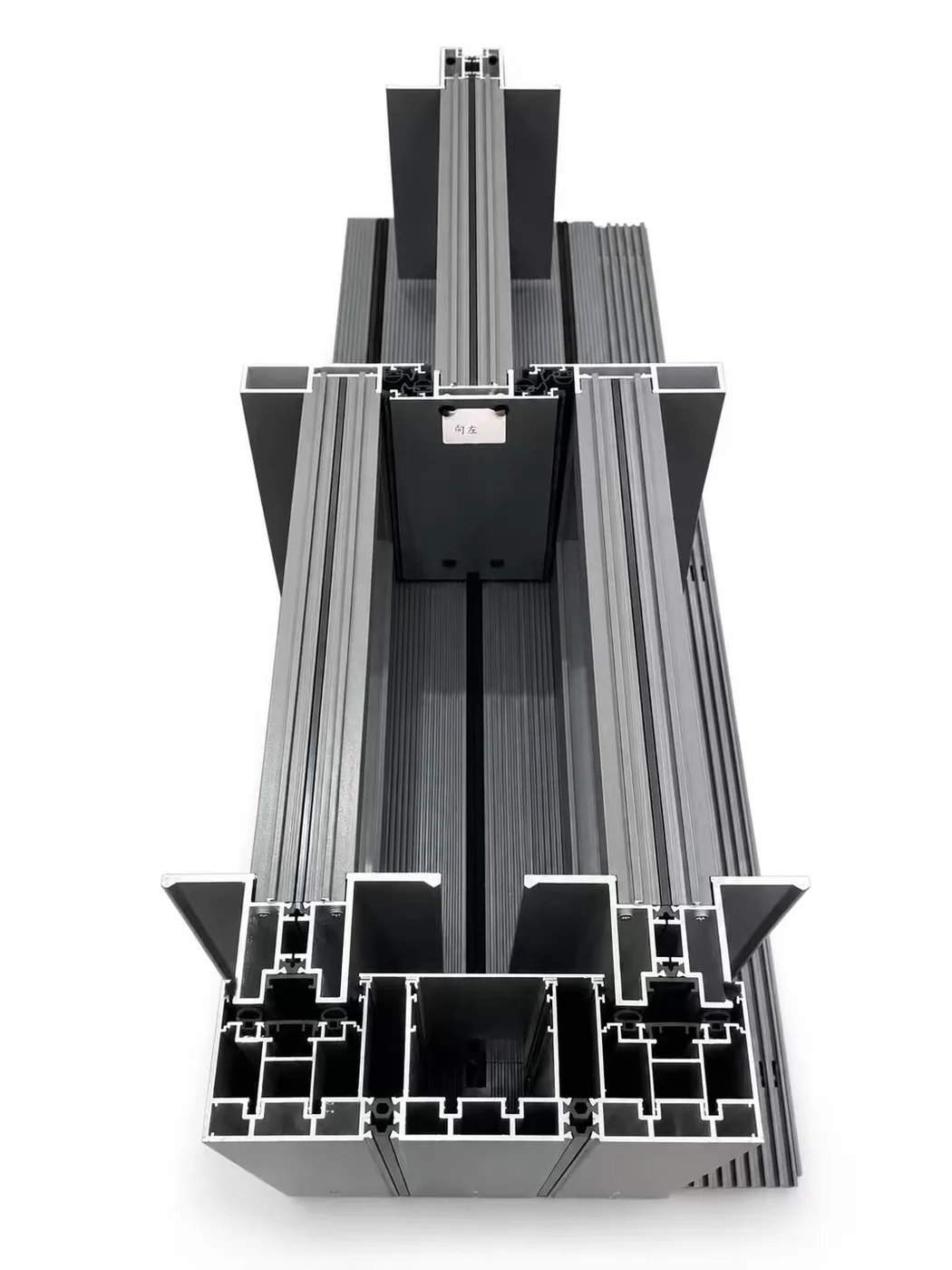
For international aluminium projects, consistent delivery depends on more than owning an extrusion press. Alloy control, die condition, thermal processing, surface preparation, finishing, machining, inspection, packing and traceability all affect whether profiles arrive ready for the next production stage.

A Connected Manufacturing Workflow
MT Flying coordinates profile production with downstream requirements for windows, doors, cabinets and architectural systems. Reviewing the end use early helps the team consider critical surfaces, machining locations, joint interfaces, packaging and visible finish before mass production begins.
1. Extrusion and Profile Handling
Extrusion forces heated aluminium through a shaped die to create a continuous profile. Die design, billet condition, temperature, speed, cooling, stretching and ageing all influence dimensional stability and mechanical properties. The Aluminium Association provides a useful overview of the broader production and processing chain in its Processing 101 reference.

2. Surface Treatment and Finish Control
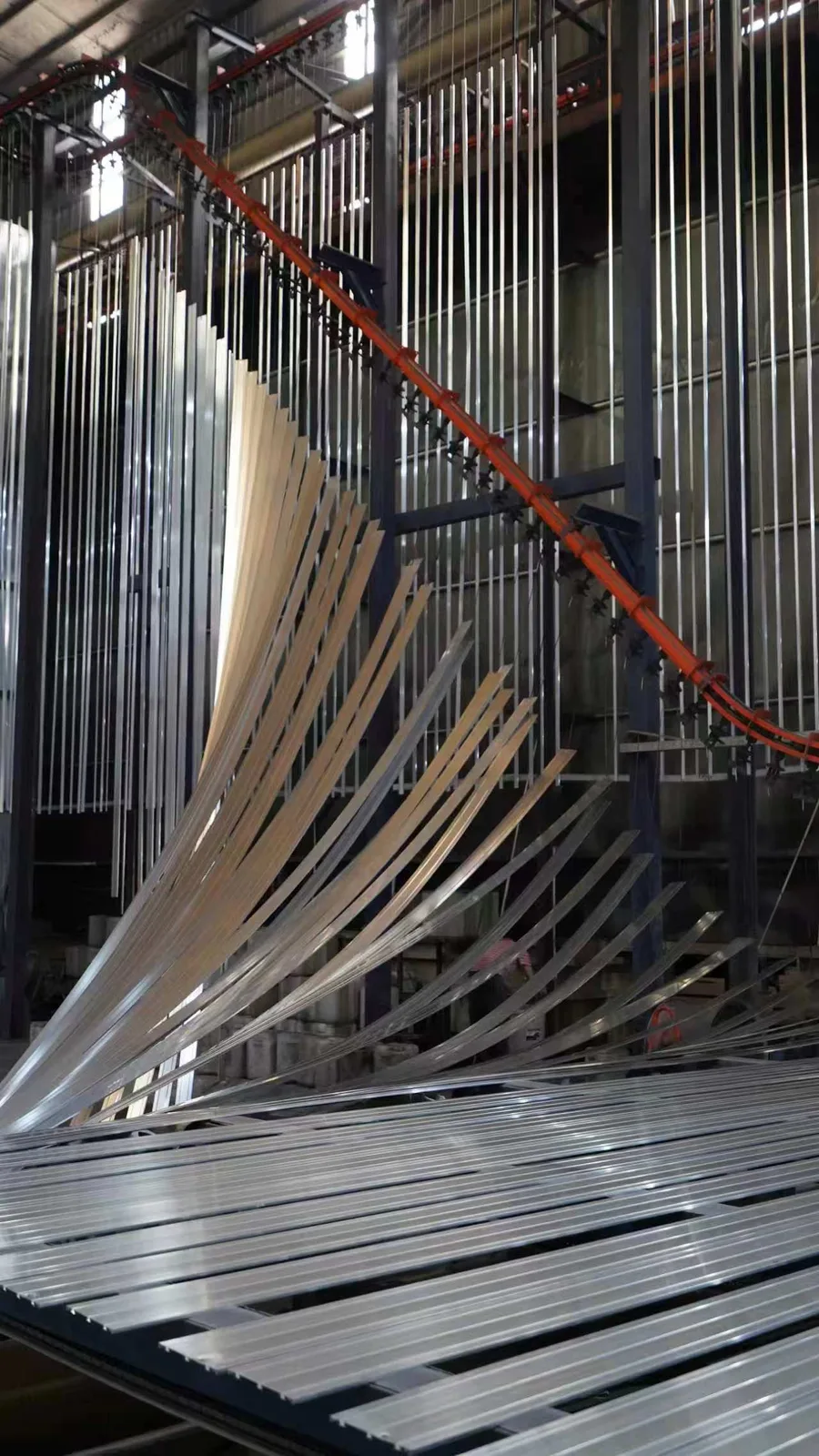
Surface finish must be selected for the service environment and appearance target. Powder coating offers a broad colour and texture range; anodizing creates an integral oxide layer with a metallic appearance. Pretreatment, film thickness, curing or sealing, colour tolerance and sample approval are part of the specification—not afterthoughts. Coastal and high-exposure projects should be identified at quotation stage so the finish system can be reviewed appropriately.
3. Precision Machining
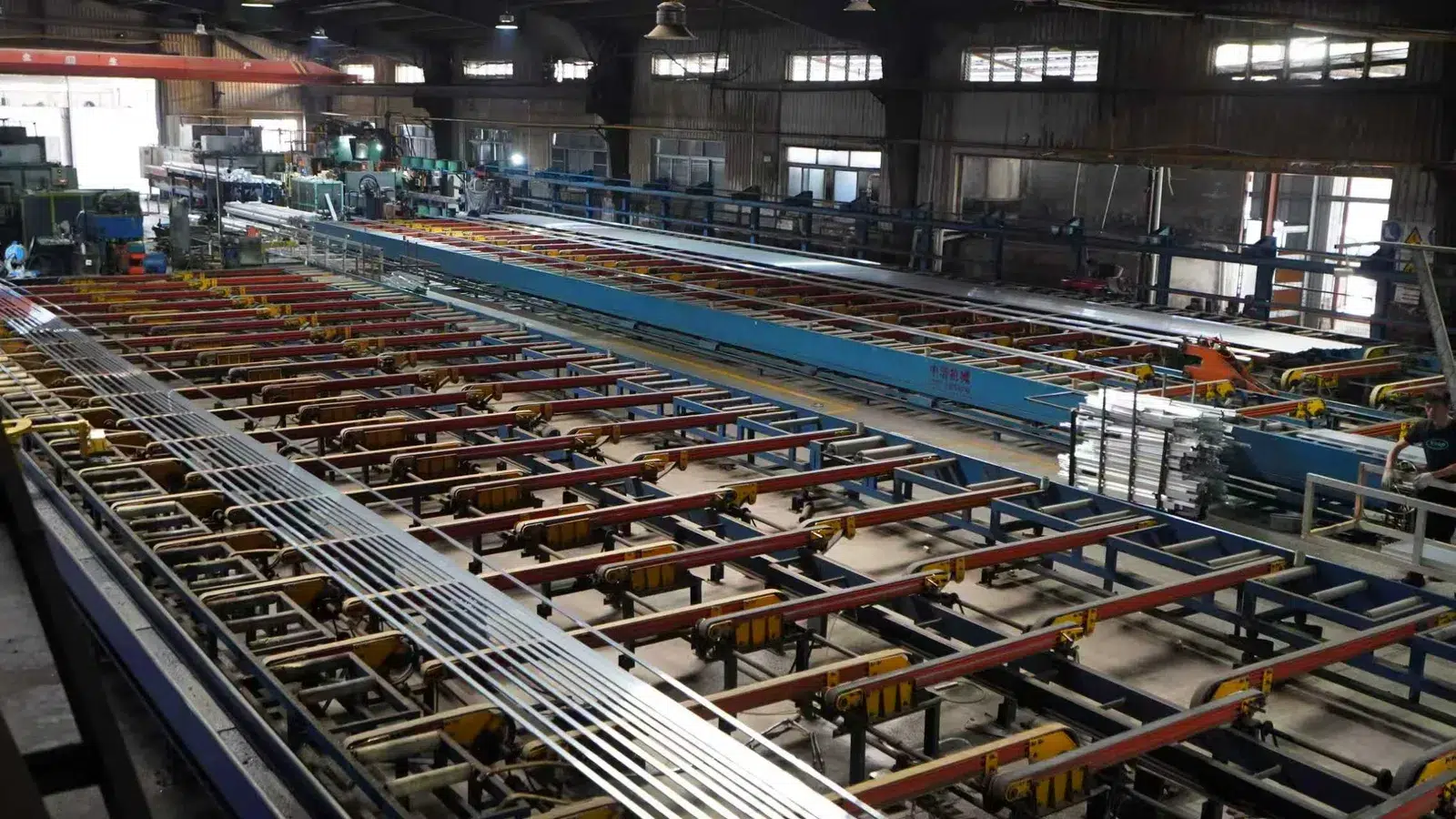
Cutting, drilling, routing and end preparation must match assembly drawings and hardware interfaces. A profile can meet its extrusion tolerance and still fail in assembly if machining datums are inconsistent. First-article inspection and approved machining drawings help prevent repeated errors.
4. Warehouse Organisation and Order Preparation
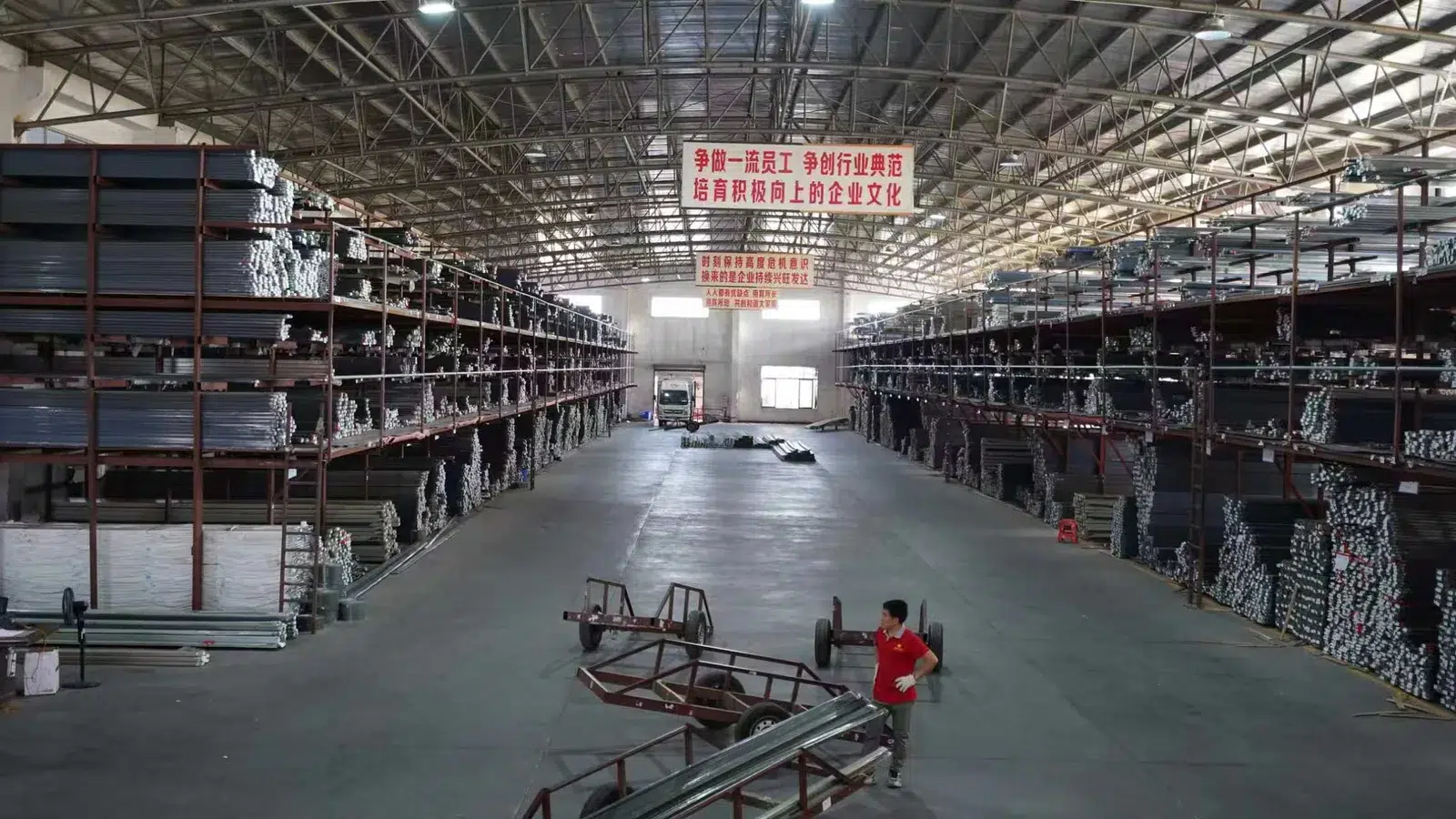
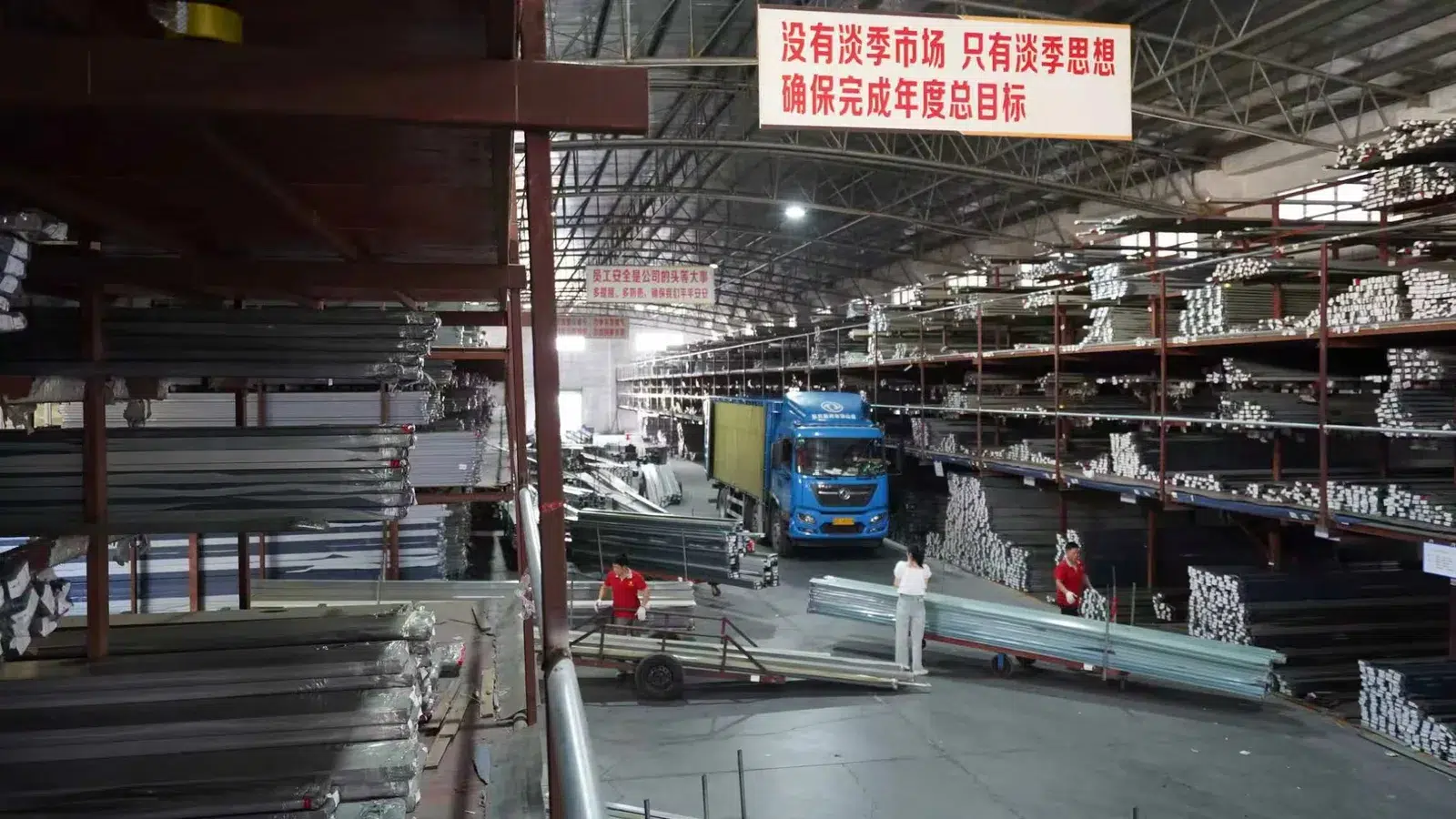
Profiles must remain identifiable from production through packing. Alloy, temper, finish, length, order number and bundle information should be controlled according to the project plan. Protective film, separators, wrapping and crate design are selected to reduce rubbing and transport damage.
Quality Gates for Export Projects
- Drawing and tolerance review before production
- Die trial and first-sample approval for new sections
- Dimensional and visual checks during production
- Finish colour, appearance and process checks
- Machining and assembly-interface verification
- Quantity, marking, packaging and loading inspection
- Project documents prepared according to agreed scope
Profiles and Finished Systems from One Source
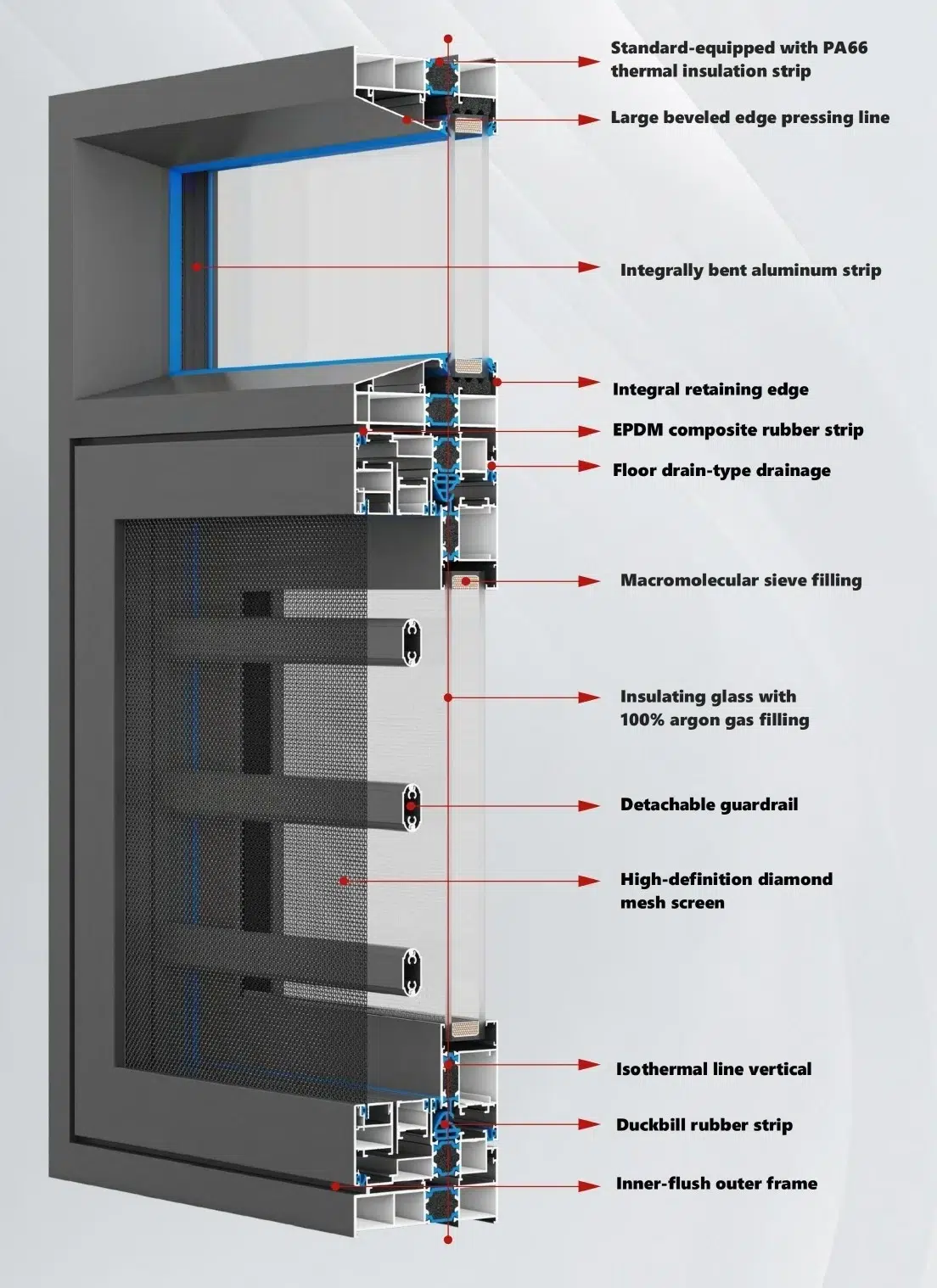
MT Flying supports aluminium profiles as well as finished windows, doors and interior aluminium systems. This makes it possible to discuss the complete chain—from extrusion geometry to the way the customer will install and operate the final product.
Frequently Asked Questions
Can MT develop a custom extrusion?
Yes, subject to technical review, tooling feasibility, quantities and agreed commercial terms.
Can you supply finished components?
Cut-to-length, machining, surface finishing and fabricated solutions can be discussed according to drawings and tolerances.
What information improves quotation accuracy?
Provide CAD drawings, alloy/temper, length, finish, tolerances, machining, quantity, packing and destination. For complete doors or windows, include the opening schedule and performance requirements.
Bring Your Aluminium Project to MT Flying
Share the profile drawing or architectural schedule. Our team can review extrusion, finish, machining, fabrication and packing as one coordinated supply plan.