Aluminum Wood Doors vs. Traditional Interior Doors: Unveiling the Superiority
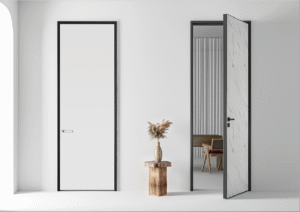
When it comes to selecting interior doors for homes and commercial spaces, the choice between aluminum-wood doors and traditional interior doors has become a topic of increasing interest. While traditional options have long dominated the market, aluminum-wood doors are rapidly gaining traction due to their innovative design and a plethora of advantages. This blog post delves into a comprehensive comparison, highlighting why aluminum-wood doors are emerging as the superior choice for modern interior design.
Durability: A Cut Above the Rest
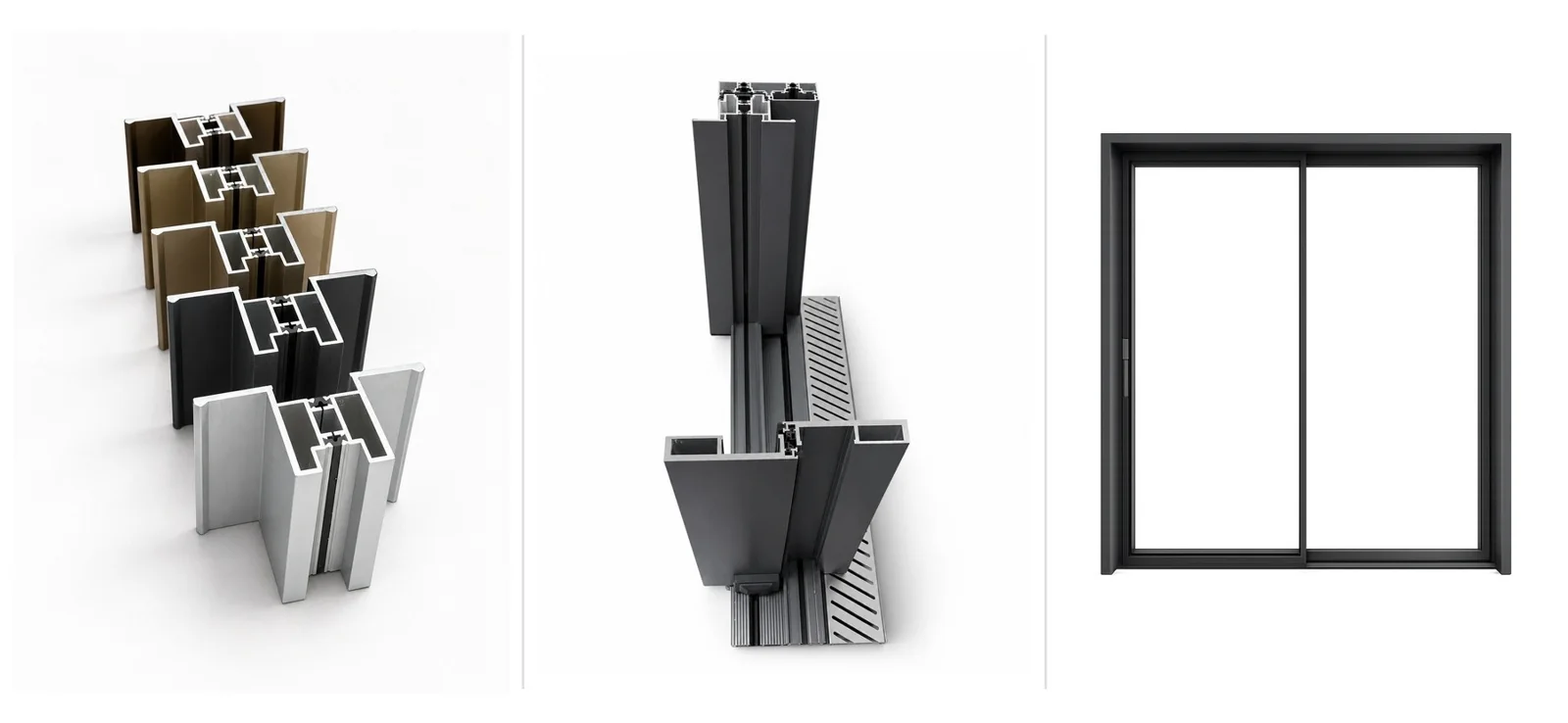
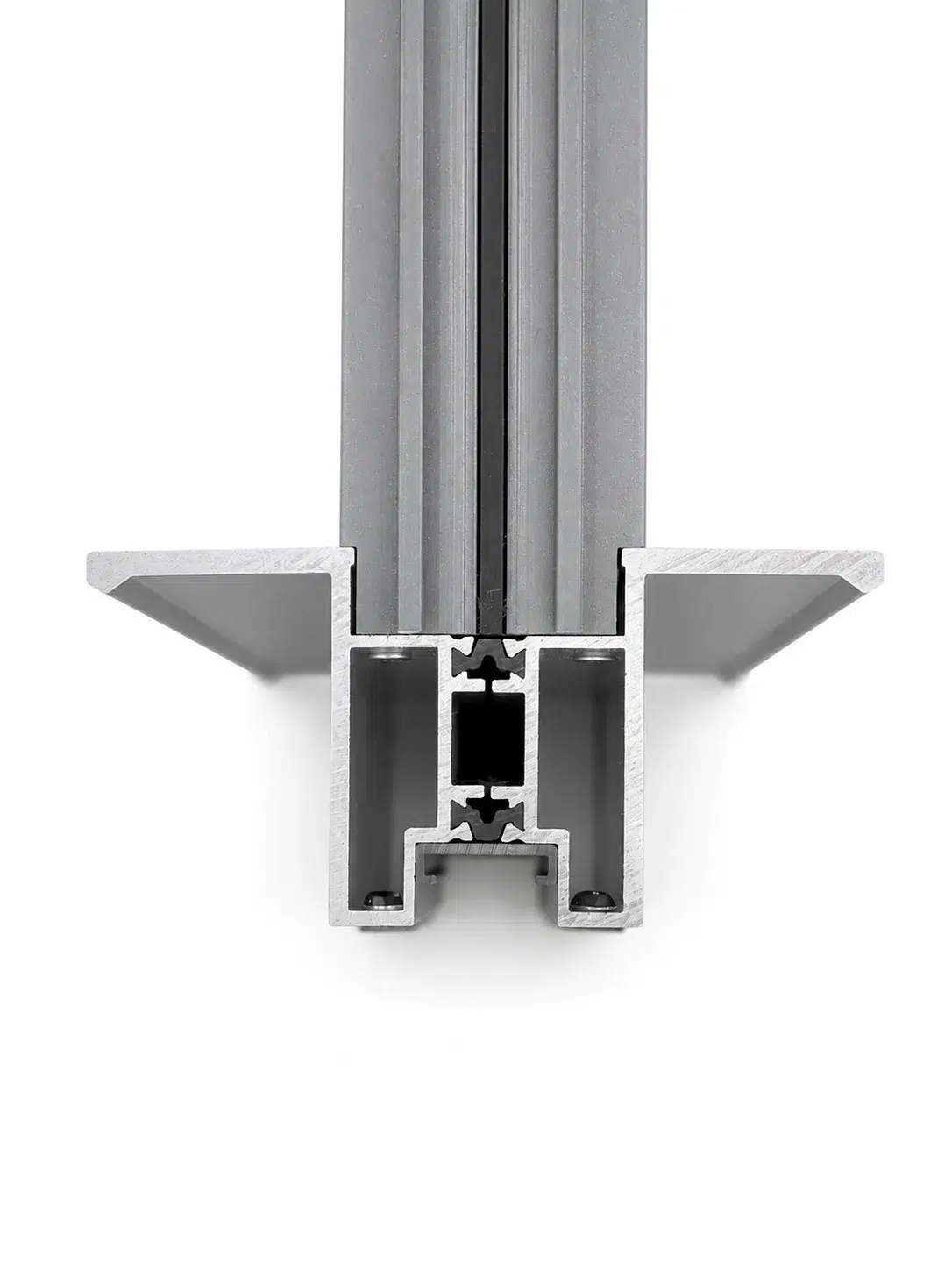
Traditional interior doors, often crafted from solid wood or composite materials, are susceptible to various forms of damage. Wood doors can warp, crack, or rot over time, especially in areas with high humidity or fluctuating temperatures. Composite doors may also face issues like delamination and surface peeling after prolonged use. In contrast, aluminum-wood doors combine the strength of aluminum frames with the aesthetic appeal of wood panels, offering exceptional durability. The aluminum structure provides robust support, resisting warping and cracking, while the high-quality wood veneer or laminate finish maintains its visual charm for years. Additionally, aluminum is highly resistant to corrosion, making aluminum-wood doors an ideal choice for bathrooms, kitchens, and other moisture-prone areas.
Environmental Friendliness: A Sustainable Option
In an era of growing environmental consciousness, the sustainability of building materials matters significantly. Traditional wood doors often rely on extensive logging, contributing to deforestation if sourced irresponsibly. Moreover, the manufacturing process of some traditional doors may involve the use of harmful adhesives and finishes that release volatile organic compounds (VOCs) into the air. Aluminum-wood doors, on the other hand, offer a more eco-friendly alternative. Aluminum is one of the most recyclable materials globally, with a recycling rate of over 75%. The wood components in aluminum-wood doors can also be sourced from sustainably managed forests, ensuring minimal environmental impact. Additionally, many manufacturers of aluminum-wood doors use low-VOC finishes, promoting better indoor air quality.
Design Flexibility: Meeting Diverse Aesthetic Needs
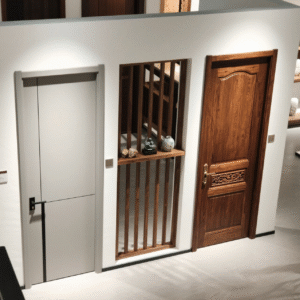
Traditional interior doors typically come in a limited range of styles and finishes, which may not always align with contemporary design trends. In contrast, aluminum-wood doors provide unparalleled design flexibility. The aluminum frames can be customized in various colors and finishes, from sleek metallic looks to powder-coated matte hues. The wood panels offer a wide array of wood species, stains, and textures, allowing homeowners and designers to create doors that seamlessly blend with any interior decor, whether it’s a rustic farmhouse style or a minimalist modern aesthetic. Furthermore, aluminum-wood doors can incorporate innovative features such as glass inserts, frosted panels, or unique patterns, adding a touch of sophistication and uniqueness to any space.
Maintenance: Effortless and Hassle-Free
Maintaining traditional wood doors can be a time-consuming and costly affair. Regular sanding, staining, or painting is required to protect the wood and keep it looking its best. Composite doors may also need frequent cleaning and occasional repairs to prevent surface damage. Aluminum-wood doors, however, demand significantly less maintenance. The aluminum frames are easy to clean with a simple wipe-down using a mild detergent and water, and they don’t require any special treatments to prevent corrosion or damage. The wood panels are also designed to be durable and resistant to scratches and stains, reducing the need for frequent touch-ups. This makes aluminum-wood doors an excellent choice for busy households or commercial properties where low-maintenance solutions are preferred.
Cost-Effectiveness: A Wise Long-Term Investment
Although aluminum-wood doors may have a slightly higher upfront cost compared to some traditional options, they prove to be more cost-effective in the long run. Their superior durability means they last longer, reducing the need for frequent replacements. The minimal maintenance requirements also save both time and money over the door’s lifespan. Additionally, the energy-efficient properties of aluminum-wood doors, with their tight seals and insulating materials, can contribute to lower heating and cooling costs, further enhancing their economic value.
In conclusion, aluminum-wood doors outshine traditional interior doors in multiple aspects, from durability and environmental friendliness to design flexibility, maintenance, and cost-effectiveness. As the demand for high-quality, sustainable, and stylish interior solutions continues to grow, aluminum-wood doors are poised to become the go-to choice for discerning homeowners and designers alike.