A window profile is never a single bar. One window is built from a set of profiles (outer frame, sash, mullion, glazing bead, screen), a kit of accessories (corner cleats, gaskets, corner brace plates, handles) and a few workshop machines (double-head saw, punching dies, corner crimping machine). This page explains each one. For the series we extrude, see our aluminum window profiles.
The profile fixed into the wall opening. It carries the whole window, holds the drainage path and gives the sash something to close against. Its depth is usually what a series is named after, for example a 55 or 70 series.
The part that opens. Sash profiles hold the glass and the hardware groove for hinges, locking points and the handle. Casement, sliding and tilt-and-slide windows each use a different sash section.
A mullion divides the frame vertically and a transom divides it horizontally, so one frame can hold several sashes or fixed lights. Their ends are milled to fit the frame contour.
A small clip-in profile that clamps the glass into the frame or sash. The bead size is chosen to match the glass thickness, which is why one series lists several beads.
The light frame that carries the insect mesh. It can be a separate sash, or built into the window on screen-integrated series.
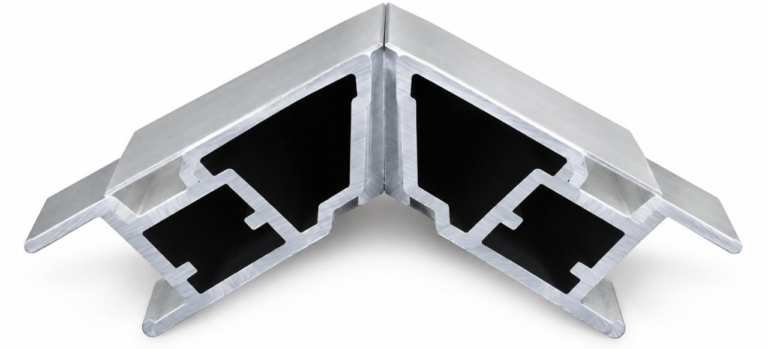
An aluminum angle piece pushed into the hollow chambers of two mitred profiles. It is what actually joins the corner once the profile wall is crimped or pinned onto it.
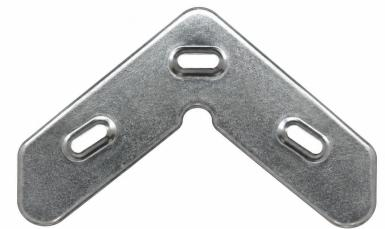
A thin flat plate set in the outer groove across the mitre. It keeps the two faces flush so the corner shows no step, and works together with the cleat.
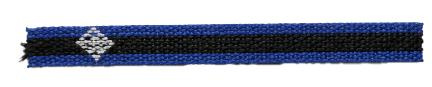
EPDM rubber gaskets sit between glass and profile and between sash and frame. Sliding sashes use brush-type sealing strips. Both keep water and air out and stop rattling.
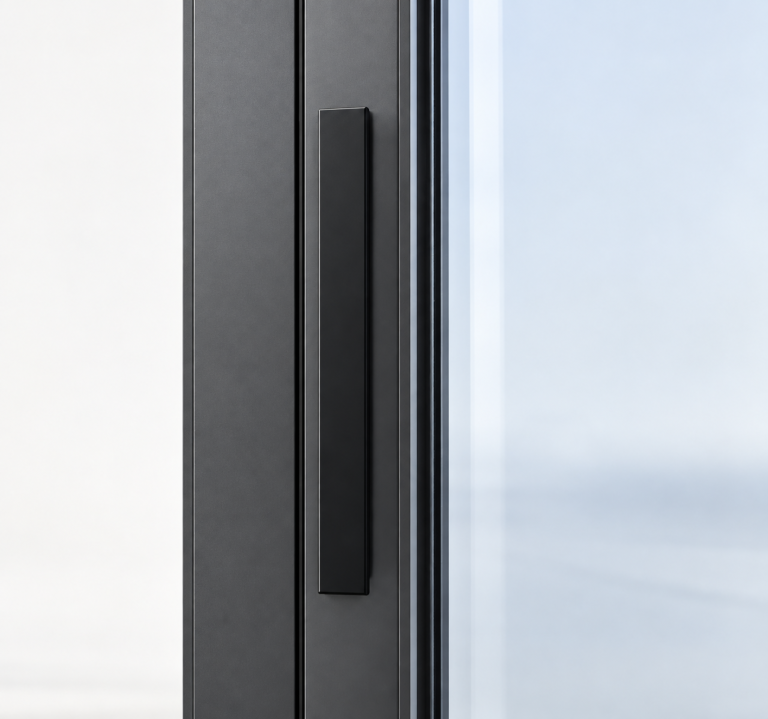
The handle drives the locking points around the sash. Hinges or friction stays, locking points and rollers for sliding sashes are chosen to match the hardware groove of the profile.

Rollers carry a sliding sash along the track. They are sized to the sash weight and to the roller groove of the profile.
MT Flying can pack hardware, seals, hinges, screws and corner pieces together with the profiles. See our guide to buying aluminum window profiles from China.
Two saw heads cut both ends of a bar in one pass, normally at 45 degrees for frame and sash corners. One head is fixed and the other moves to set the length.
A press fitted with dies made for one profile series. It punches drainage slots, cleat fixing points and hardware cut-outs quickly and in the same place every time.
Cuts the stepped end of a mullion or transom so it fits tightly against the frame profile in a T-joint.
Presses the profile wall into the grooves of the corner cleat from two sides, locking the mitred corner. Most aluminum window corners are joined mechanically, not welded.
Drawings on this page are simplified diagrams, not sections of a specific series.
The outer frame, the sash, mullions or transoms, glazing beads and, where fitted, the insect screen profile. Corner cleats, gaskets, corner brace plates and hardware such as handles are accessories ordered with the profiles.
At minimum a double-head mitre saw, a punching press with dies made for your profile series (or a copy router), an end milling machine if the design has mullions, and a corner crimping machine.
Punching dies are designed according to the profile shape and the required processing positions. They are used to make drainage holes, fixing holes, hardware openings and other cut-outs accurately. Different profiles may require different dies. However, some profiles can share the same dies if their processing requirements are similar. Adjustable punching tools or CNC machines can also be used for multiple profile series.
Most aluminum window corners are mechanically joined rather than welded. For many casement window systems, profiles are cut at 45 degrees and connected using corner cleats and a corner crimping machine. Other systems use screws or mechanical connectors, and some profiles are cut at 90 degrees. The assembly method depends on the specific window system and profile design.
Send us your drawing or window schedule. We reply with sections, the accessory list, price and lead time.
Request a QuoteWhatsApp Us