Aluminum Windows: A Comprehensive Guide to Types, Applications, and Performance
Aluminum windows are a cornerstone of modern construction, valued for their durability, sleek aesthetics, and adaptability across diverse architectural styles. Below is a refined overview of the primary types, their unique applications, and comparative advantages/disadvantages, presented with enhanced clarity and structure.

1. Casement Aluminum Windows
Design & Operation: Hinged on one side, opening outward or inward like a door, often with a crank mechanism for smooth operation.
Application Scenarios:
Application Scenarios:
- Ideal for living rooms, bedrooms, and offices in residential/commercial buildings.
- Popular in areas requiring unobstructed views and maximal ventilation (e.g., coastal homes, urban apartments).
Advantages: - Superior Ventilation: Full 90° opening allows unrestricted airflow.
- Sound & Thermal Insulation: Advanced weatherstripping and double-glazing options reduce noise and heat transfer.
- Security: Multi-point locking systems enhance burglary resistance.
- Customization: Available in diverse colors and finishes to match architectural aesthetics.
Disadvantages: - Energy Efficiency Limitations: Aluminum’s thermal conductivity may require additional insulation (e.g., thermal breaks).
- Space Requirement: Outward/inward opening may conflict with outdoor fixtures or indoor furniture.
Image Suggestion: A casement window fully open, showcasing its hinge mechanism and sleek frame.

2. Sliding Aluminum Windows
Design & Operation: Horizontal sliding panels on tracks, with one fixed and one movable sash.
Application Scenarios:
Application Scenarios:
- Common in balconies, kitchens, and narrow spaces (e.g., high-rise apartments, compact urban homes).
- Suitable for commercial spaces like retail stores or offices prioritizing space efficiency.
Advantages: - Space-Saving: No outward/inward swing, maximizing interior/exterior usable area.
- Ease of Use: Smooth gliding motion suitable for all ages.
- Modern Aesthetics: Slim frames offer unobstructed views and contemporary appeal.
- Low Maintenance: Simple design reduces mechanical failure risks.
Disadvantages: - Limited Ventilation: Only one panel opens, restricting airflow compared to casement models.
- Sealing Compromises: Gaps between panels may slightly reduce insulation vs. fully sealed casements.
Image Suggestion: A sliding window in a modern kitchen, emphasizing its space-efficient design.
3. Tilt & Turn Aluminum Windows
Design & Operation: Dual-functionality: tilts inward at the top for ventilation or swings fully inward like a door.
Application Scenarios:
Application Scenarios:
- Perfect for small rooms (e.g., bathrooms, laundry areas) and high-rise buildings.
- Popular in family homes for child-safe ventilation (tilt feature).
Advantages: - Flexible Ventilation: Tilt mode for gentle airflow; turn mode for the full opening and easy cleaning.
- Superior Sealing: Tight weatherproofing reduces drafts and water ingress.
- Safety: Restricted tilt opening minimizes fall risks for children/pets.
Disadvantages: - Frame Bulkiness: Thicker frames to accommodate dual hinges may slightly reduce glass area.
- Higher Cost: Complex hardware increases upfront and repair costs.
Image Suggestion: A tilt & turn window in both tilt and full-open positions, demonstrating versatility.
4. Awning Aluminum Windows
Design & Operation: Hinged at the top, opening outward to create an awning-like canopy.
Application Scenarios:
Application Scenarios:
- Bathrooms, kitchens, or basements needing ventilation with rain protection.
- High-rise buildings or second-story windows where exterior access is limited.
Advantages: - Weather Resistance: Open during light rain without water intrusion (awning effect).
- Privacy & Ventilation: Small opening angle provides airflow while blocking direct 视线 (e.g., bathroom windows).
- Space-Efficient: Outward opening doesn’t occupy indoor space.
Disadvantages: - Limited Opening: Smaller angle restricts airflow compared to casement windows.
- Cleaning Challenges: Exterior glass is harder to reach, requiring specialized tools.
Image Suggestion: An awning window open in a rainy setting, showcasing water runoff.

5. Folding (Bi-Fold) Aluminum Windows
Design & Operation: Multiple panels hinged together, folding to the side for a near-full opening.
Application Scenarios:
Application Scenarios:
- Indoor-outdoor spaces (e.g., balconies, terraces, restaurant patios) requiring seamless transitions.
- Commercial applications (café counters, storefronts) for enhanced accessibility.
Advantages: - Unobstructed Views: Full collapse creates a panoramic opening, merging interior/exterior spaces.
- Maximal Ventilation: Entire span can be opened for optimal airflow.
- Modern Aesthetics: Slim profiles and minimalist design suit contemporary architecture.
Disadvantages: - Complex Maintenance: Hinges and tracks require regular lubrication; potential for misalignment.
- Space Requirement: Folded panels occupy lateral space when open, limiting placement options.
Image Suggestion: A bi-fold window fully open in a modern patio, emphasizing indoor-outdoor integration.

6. Fixed Aluminum Windows
Design & Operation: Non-opening panels, purely for light and aesthetics.
Application Scenarios:
Application Scenarios:
- High ceilings, stairwells, or areas where ventilation is handled by adjacent windows (e.g., living rooms, office atriums).
- Combined with operable windows (e.g., casements or sliders) for balanced design.
Advantages: - Uninterrupted Views: Largest possible glass area with no frame obstructions.
- Superior Insulation: No moving parts mean airtight seals, ideal for energy efficiency.
- Cost-Effective: Simplified design reduces material and installation costs.
Disadvantages: - No Ventilation: Relies entirely on other windows for airflow, limiting standalone use.
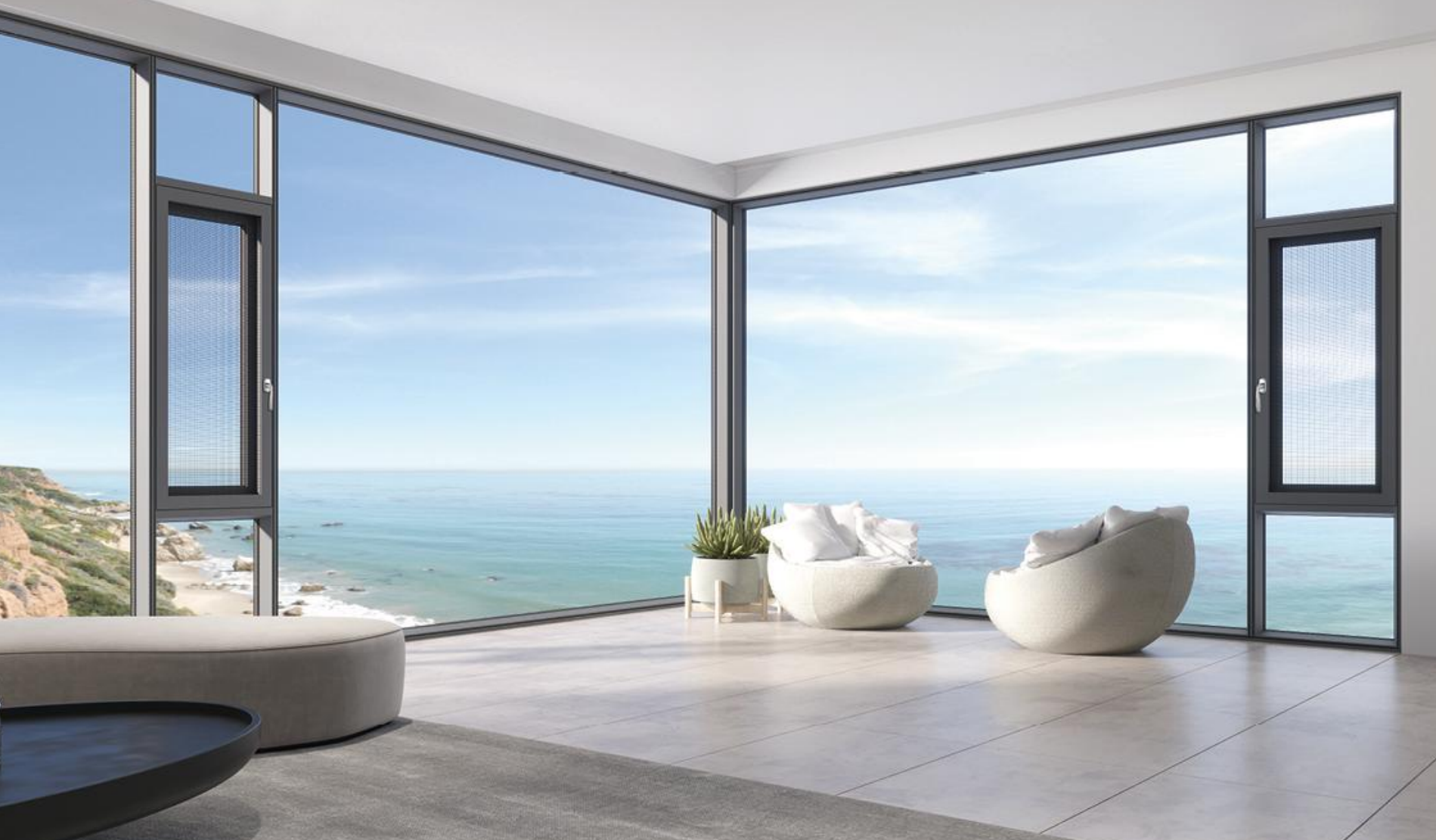
Image Suggestion: A large fixed window in a modern living room, showcasing unobstructed natural light.
Key Considerations for Selection
| Factor | Casement | Sliding | Tilt & Turn | Awning | Folding | Fixed |
|---|---|---|---|---|---|---|
| Ventilation | Excellent | Moderate | Excellent | Good | Excellent | None |
| Space Requirement | High | Low | Medium | Low | High | None |
| Energy Efficiency | Good* | Good | Excellent | Good | Moderate | Excellent |
| Security | High | Medium | High | Medium | Medium | High |
| Cost (Initial) | High | Low | High | Low | Very High | Low |
Note: Energy efficiency of casement windows improves with thermal break technology.
Conclusion
Aluminum windows offer a solution for every architectural need, from space-constrained urban apartments to expansive commercial facades. Prioritize ventilation, insulation, and aesthetics while considering maintenance requirements and budget. For optimal performance, consult with a professional to align window type with local climate and usage patterns.
Image Gallery Suggestions:
- Side-by-side comparison of casement and sliding windows in a modern home.
- A tilt & turn window installed in a high-rise bathroom, demonstrating safety features.
- A bi-fold window system in a café, showcasing its commercial utility.